NDIS Scandal Exposed: The Truth the Government Tried to Hide - E4
For many Australians, the NDIS feels distant, confusing, bureaucratic, and easy to ignore unless someone close to you relies on it. But as Emeka makes clear in this unscripted episode, the NDIS is not a niche policy problem. It is an economic force touching tax, debt, small business survival, cost of living, and even national sovereignty.
“Most people only think about it if someone they love or someone close to them is on it… But it actually touches everyone. It touches your tax, your economy, your cost of living… Even whether Australia gets to keep control of its own future.”
This isn’t alarmism. It’s arithmetic.
From Block Funding to a Wrecking Ball
Before the NDIS, disability funding in Australia operated through block funding. The Commonwealth sent money to the states, states distributed it through tenders to long-standing providers, and families received what was available.
It wasn’t perfect. Families hated the rigidity. They say it lacked transparency.
But according to Emeka, the response wasn’t reform. It was demolition.
The old system needed some tweaks, not a complete demolition… because that’s how you wreck things when something doesn’t need you to demolish it and you go ahead and you slam the big wrecking ball on it like they did with the NDIS.
The alternative he describes is strikingly simple: opt-outs, partial self-management, and no extra money added to the system. Instead, the government chose something else entirely.
The Uncapped Budget Nobody Should Have Approved
One design decision sits at the heart of everything that followed: the NDIS was created as an uncapped federal budget. It is the only category in the Australian budget pool that was not capped. In theory, this sounded compassionate. In practice, it ignored human behaviour.

And the numbers prove the point.
The Numbers That Should Stop You Cold
Medicare (covering 27.5 million Australians) costs $48.5 billion per year.
The NDIS (covering 739,000 people) costs $52.3 billion.
For less than a million people… it costs more to support them than it does for the entire nation for Medicare.
Per person, the contrast is staggering:
Medicare: ~$1,760 per person
NDIS: ~$70,800 per participant
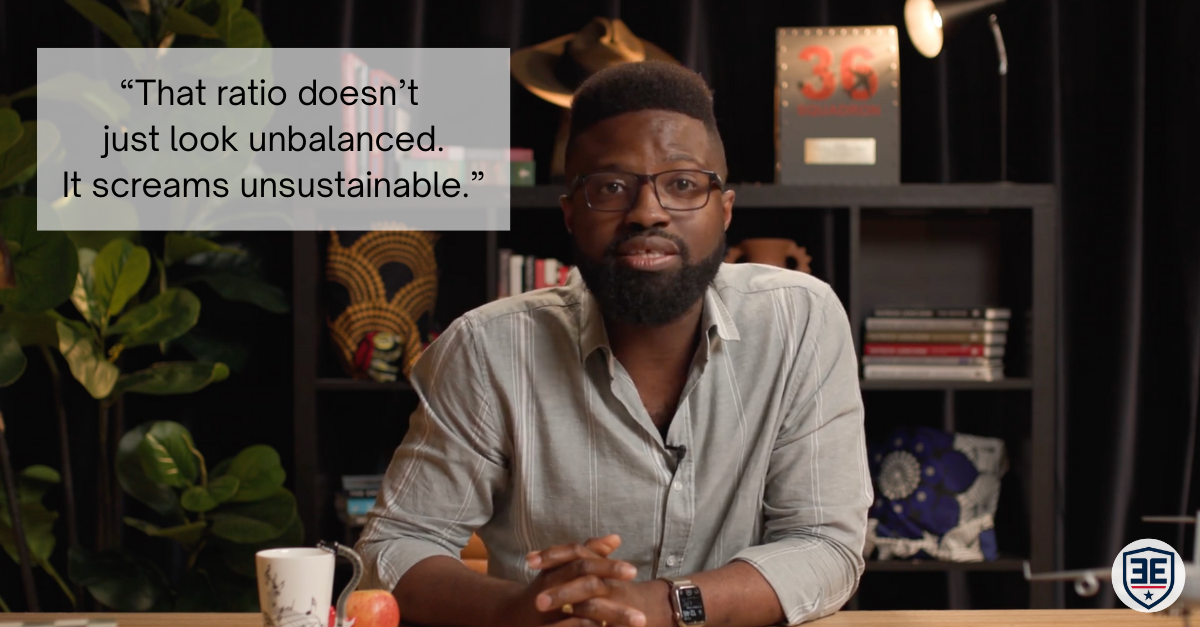
Scale that logic nationally, and the outcome isn’t generous. It’s impossible.
Price Caps, Wage Controls, and Cash-Flow Strangulation
Despite being uncapped overall, the NDIS is micromanaged at the provider level. They control the wages, the super, the insurance, and the compliance. All of that is dictated by policy.
Then comes the cash-flow trap. If you deliver services, you can be waiting up to weeks or months to get paid. Payments can legally be withheld during an investigation.
Emeka’s café analogy lands hard:
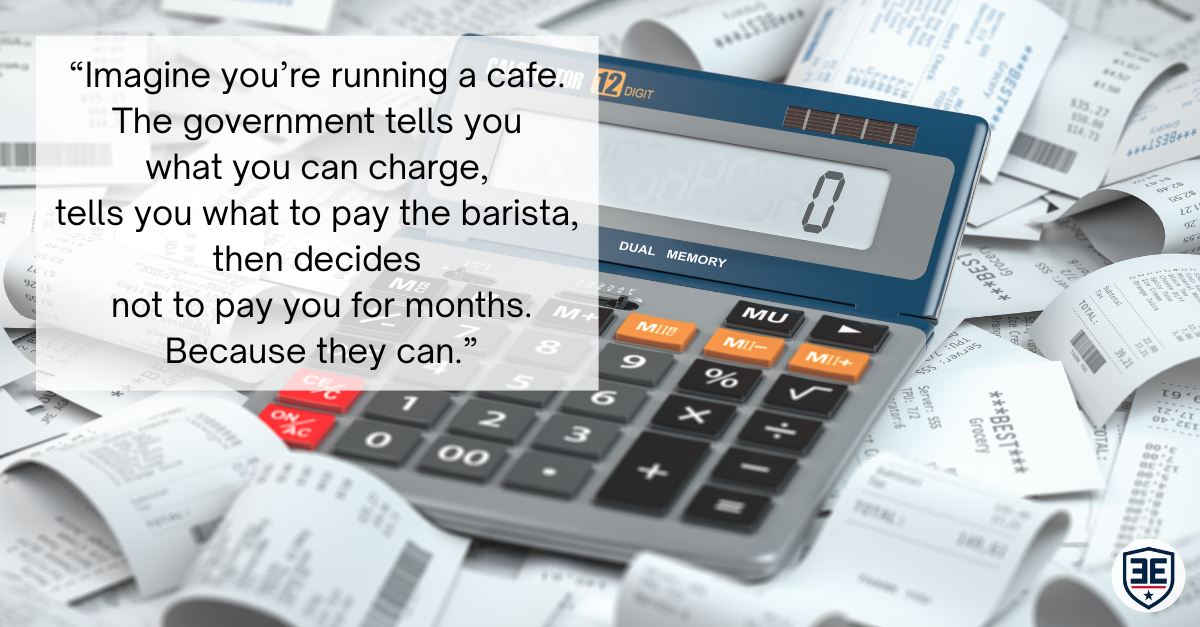
This isn’t inefficiency. It’s structural failure.
Providers Are Bleeding By Design
Independent benchmarking shows most NDIS providers aren’t just struggling, they’re losing money. The average operating margin is -2.7%. Over half of providers are in the red.
Even worse, the NDIA pricing model allows around 2% margin. In a normal market, you need about 10-20% to be sustainable. That’s literally facts.
The result? This isn’t just doing it tough. It’s literally structurally unviable.
Providers leave.
Good ones first.
The Myth of “Choice and Control”
Few ideas are more sacred in the NDIS than choice and control. Emeka doesn’t reject the principle. He rejects the fantasy.

Healthcare systems work because of limits. Hospitals don’t run on choice and control. They run in design. By contrast, the NDIS promises unlimited flexibility: You can have whatever you want, whenever you want, however you want. That is not real life. From constant staff rotation to overtime blowouts, the system rewards instability and punishes sustainability.

When Control Enables Fraud
Some of the most alarming examples involve transport and self-managed funds. They give the participant the funding direct to their own bank account for transport. The participant keeps the money. The provider invoices anyway. When funds run out?
“The government goes, ‘Absolutely not.’ The provider is the fraudster. Except you are enabling it.”
And when invoices are declined?
“That’s between you and the participant. Sorry, can’t step in.”
No business model survives that.
Anyone Can Be a Provider And Everyone Pays the Price
Another baked-in flaw: anyone can enter the market. Every man, woman, their dog, and child can become a supplier of care services. Registered or not. Governed or not. Paid the same.

Serious providers invest in training, compliance, and systems. Backyard operators don’t, and yet they get paid exactly the same rate. When it collapses, blame doesn’t land where it should. It’s the serious provider who cops the blame. The ones who can actually be tracked.
Decision-Makers Who Don’t Read the Reports
Perhaps the most confronting admission comes from inside the NDIA itself.
“My staff can’t read 280-page reports.”
Yet those reports are mandatory. Life-saving decisions are made by people who don’t have the literacy or the bandwidth. They simply ignore it and make a decision regardless.
Emeka doesn’t mince words:

Appeals, Paralympians, and a Broken Gatekeeper
Despite public perception, access to the NDIS is far from easy. Around 22% of people get knocked back at the access stage. Plans are cut suddenly. Families appeal. The system clogs itself.
One case stands out.
“We once had to represent a paralympian. Their need was ‘not bad enough.’”
After multiple appeals?
“The NDIA’s own rep folded… ‘Yeah, fair point.’”
And this isn’t rare. 73% of cases ended with the decision being changed.
At a median wait of 23 weeks.
Individualised Funding: The Golden Shovel
The final flaw cuts deepest. Individualised funding was meant to empower. Instead, it dismantled pooling — the very mechanism that made care viable. Under the old model the provider had the responsibility of balancing it out across the pool. Now? They both get a shiny new plan. Some overspend. Others are underfunded. Hospitals fill up.

This Isn’t About Disability, It’s About You
Emeka is explicit: this isn’t an attack on participants.
“I’m not advocating for shutting it down.”
It’s about economic reality. Your grocery bill. Your rent. Your mortgage. Your taxes. When small providers collapse, debt rises. When debt rises, ownership shifts. People from overseas will buy them and effectively control the economy.
What Now?
His challenge is blunt.

Support local providers. Ask who sets the costs. Who carries the risk. Awareness spreads fast.
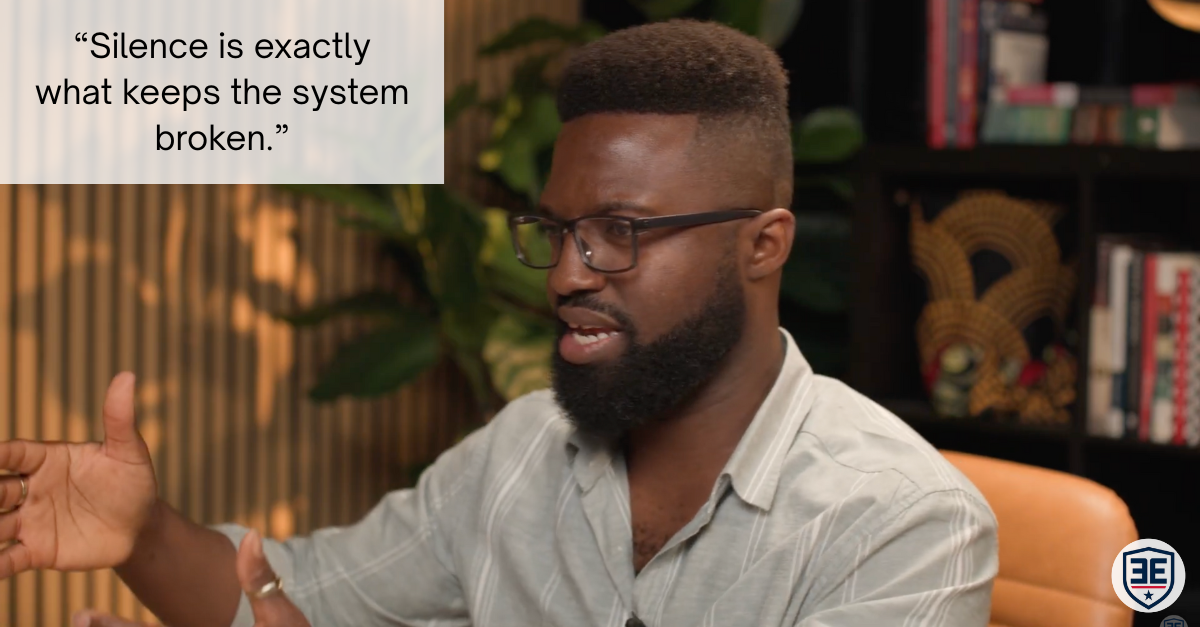
And finally, from someone inside it:
“Running disability services under the rules that currently exist isn’t just difficult. It is absolute modern-day slavery.”
Closing

That’s the reckoning.
And ignoring it won’t make the bill smaller.
Watch or listen to the full episode below